Konkan in Monsoon: Why the Rainy Season Is the Best Time to Visit
The Konkan Monsoon: A Completely Different Experience
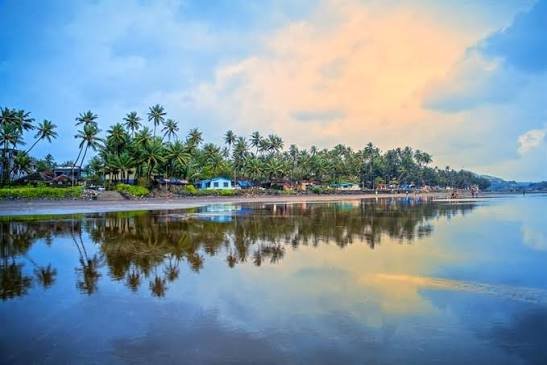
When most travellers put their bags away in June, Konkan comes alive. The first rains transform the landscape from golden-dry to impossibly lush green almost overnight. Waterfalls appear from cliffs that were bare stone weeks before. Rivers surge toward the sea. The air carries the scent of wet earth, jackfruit, and salt.
Month-by-Month Monsoon Guide
June: Monsoon Arrival
The southwest monsoon typically arrives on the Konkan coast in the first week of June. The transformation is dramatic and fast. The sea turns grey-green and rough. The hills behind the coast erupt in new green. June is also the last month of Alphonso mango season - an overlap worth planning around.
Sea conditions: Rough. Fort boat trips suspended. Waterfalls: Beginning. Road conditions: Good on main highways, some village roads slippery.
July: Peak Monsoon
July is the most dramatic month. Rainfall is at its heaviest. Waterfalls are at full flow. The Western Ghats visible from coastal villages look almost cinematic - layers of green cliffs with white water streaming down every face.
Sea conditions: Very rough. All water activities suspended. Waterfalls: Full flow, maximum. Crowd level: Lowest of the year - highest privacy for guests.
August: Mid-Monsoon
Rain eases slightly in August. The landscape is at its most lush. Some forts begin to reopen for boat trips in the second half of August if seas permit. The festival of Narali Purnima - where fishermen offer coconuts to the sea to mark the end of the monsoon fishing ban - falls in August. Witnessing this ceremony from a Konkan homestay is a deeply moving cultural experience.
Sea conditions: Moderating. Some boat trips resume (weather-dependent). Festivals: Narali Purnima, Nag Panchami.
September: Monsoon Exit
September marks the gradual exit of the monsoon. Rains become intermittent. The sea begins to calm. This is the ideal window for those who want the green landscape of monsoon without the heaviest rainfall. By late September, some homestays begin to see the first advance-season tourists.
Sea conditions: Calming. Some beaches safe for wading. Waterfalls: Still strong. Best month for combining monsoon scenery with moderate comfort.
What Makes the Konkan Monsoon Extraordinary
Western Ghats Waterfalls
The Sahyadri mountain range, which forms Konkan's eastern wall, receives some of the highest rainfall in Asia during monsoon. Hundreds of seasonal waterfalls form. Key falls accessible from Konkan homestays include:
Thoseghar Falls (near Satara) - Maharashtra's highest waterfall, 500+ metres, full flow in July-August
Marleshwar - jungle temple with waterfalls, 80 km from Ratnagiri
Amboli Waterfalls (near Vengurla) - multiple falls in a hill station setting
Devkund Waterfall (near Bhira) - turquoise pool at the base, popular with trekkers
Hiranyakeshi River source, Amboli - a spring that emerges from rocks in monsoon
Empty Beaches
Konkan beaches that are crowded from October to February become private domains in the monsoon. The sea is rough and swimming is not advised, but the drama of monsoon waves crashing against dark Konkan rocks is extraordinary. Photographers consistently rate monsoon as the best season for coastal images.
The Landscape
Konkan's coconut plantations, mango orchards, and paddy fields are at their most beautiful from July to September. The vivid green of fresh paddy fields, the red laterite earth contrasting with emerald hillsides, and the silver of rain on the Arabian Sea create a visual palette unlike any other season.
Monsoon-Exclusive Food
The monsoon brings its own Konkan food calendar:
Fresh-catch pomfret - most abundant in early monsoon (June-July)
Tender cashew shoots - a foraged green cooked in coconut milk
Fanas (jackfruit) bhaji - jackfruit is at its best in early monsoon
Spicy Malvani chicken (kombdi) - rain demands something warming
Bhajias (fritters) with evening chai - the definitive Konkan monsoon snack
Sol kadhi - extra cooling in the monsoon humidity
Bioluminescent Sea
On some monsoon nights, the breaking waves and wet sand of Konkan beaches glow electric blue. This bioluminescence is caused by phytoplankton called Noctiluca scintillans. It is one of the most surreal natural phenomena in India. Your homestay host will know which beaches and which conditions produce the best displays.
Monsoon Cultural Experiences
Narali Purnima (August full moon) - fishermen offer coconuts to the sea; the boats go out for the first time after the monsoon ban
Nag Panchami - snake worship festival celebrated in Konkan with traditional milk offerings
Hartalika Teej - women's festival marking the onset of autumn
Village fairs (jatras) - monsoon is peak festival season in Konkan villages
Traditional Dashavatar and Kirtan performances - indoor folk theatre, performed during heavy rain days
Things to Do in Konkan During Monsoon
Waterfall trekking in the Western Ghats - Thoseghar, Amboli, Devkund
Paddy field planting with your homestay host family (June-July)
Photography - coastal cliffs, waterfalls, rain-soaked orchards, bioluminescent sea
Sea cave and rock pool exploration (low tide, calm patches)
Cooking sessions with the host - monsoon specialities and pickle-making
Narali Purnima ceremony attendance (August)
Birdwatching - Konkan's resident birds are most active in monsoon
Reading, rest, and genuine digital detox - the sound of rain on a Konkan tiled roof is unmatched
What NOT to Do in Konkan Monsoon
Do NOT swim in the sea - currents are unpredictable and dangerous
Do NOT attempt fort boat trips in July-August without checking sea conditions
Do NOT drive on unfamiliar village roads at night - flooding can occur without warning
Do NOT skip the insect repellent - mosquitoes peak in monsoon
Packing List for Konkan in Monsoon
High-quality waterproof raincoat (coastal winds make umbrellas impractical)
Rubber flip-flops or waterproof sandals - embrace being wet
Waterproof dry bag for phone, camera, documents
Quick-dry clothing - cotton takes too long to dry in high humidity
Anti-fungal powder
Insect repellent (DEET-based for heavy mosquito exposure)
Portable phone charger - power cuts are common during heavy rain
Physical cash - some ATMs in smaller towns run out during monsoon
Monsoon Homestay Rates and Availability
Monsoon is the lowest-demand season for Konkan tourism. As a result, most homestays on kokanhomestays.in offer their best rates - typically 30-40% below peak season prices. You will also find that the personal attention from host families is highest during this period, as the number of guests is lowest.
Most homestays remain open through monsoon. A small number close in July and August. Confirm availability when booking.
Frequently Asked Questions
Is it safe to travel to Konkan in monsoon?
Yes, with appropriate precautions. The main risk is the sea - avoid swimming and boat trips during heavy rain. Road travel is safe on main highways. Village roads may have temporary flooding. Your homestay host is the best real-time guide to local conditions.
Which month is best for monsoon travel to Konkan?
September is the sweet spot - waterfalls are still strong, the landscape is green, rainfall is lighter, and the sea is beginning to calm. June is excellent for the overlap with mango season. Avoid July if you are sensitive to very heavy, continuous rainfall.
Can I see Sindhudurg Fort during monsoon?
The ASI maintains the fort year-round but boat services are often suspended during heavy weather in July and August. September usually allows fort visits. Check with your homestay host or the Malvan boat operators for current conditions.
Are waterfalls near Konkan accessible during monsoon?
Yes, but with care. Most major waterfalls - Thoseghar, Amboli, Devkund - are accessible by road. Trekking to the base of waterfalls in peak monsoon requires caution; flash floods can occur. Go with a local guide or ask your homestay host for current trek conditions.
Do Konkan homestays include meals during monsoon?
Yes. All meal-inclusive homestays on kokanhomestays.in continue full meal service in monsoon. In fact, monsoon meals - with warm soups, bhajias, and hot fish curry - are often remembered as the best food guests have eaten on the Konkan coast.

Written by
Mayur Vichare
A passionate travel blogger who loves exploring new destinations, hidden gems, and local cultures. From scenic getaways to offbeat experiences, they share travel guides, honest tips, and inspiring stories to help readers plan memorable journeys. Their goal is to make travel easier, more exciting, and meaningful for every explorer.
Enjoyed this article? Share it with others!